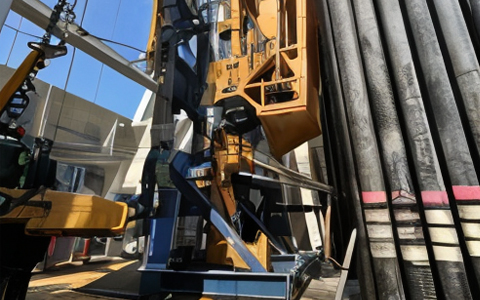
The upgrade’s real value is not only a higher peak torque rating on paper. It is what that higher rating does to the unit’s operating stress at the torque values it is actually run at in the field, and this is the part of the top drive torque upgrade case most providers cannot make.
If a rig’s working torque stays the same but the unit’s rated capacity increases by up to 25 percent, that unit is now running at a lower percentage of its rated capacity for the same job. Lower percentage of rated capacity means lower cyclic stress on the motor and gear train across every connection made, which is the mechanism that typically extends usable life between recertifications rather than just adding headroom for harder jobs down the road. The exact reduction in cyclic stress depends on baseline operating torque, duty cycle, and connection frequency for a given rig.
A top drive torque upgrade only produces this stress benefit when the conversion is calibrated against real OEM data rather than a generic torque rating bump. This is an argument few upgrade providers can make with confidence, because it depends on OEM engineering data most service providers never see. The top drive motor upgrade component of the HXI to EXI conversion is where that stress reduction originates, and it is verifiable against Tesco’s original specifications rather than estimated from field wear alone.