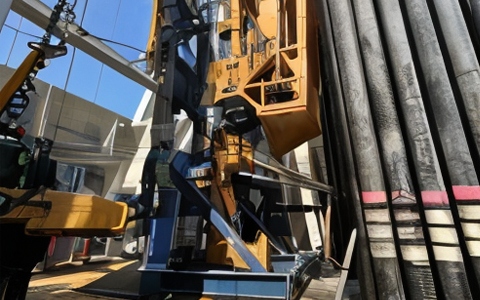
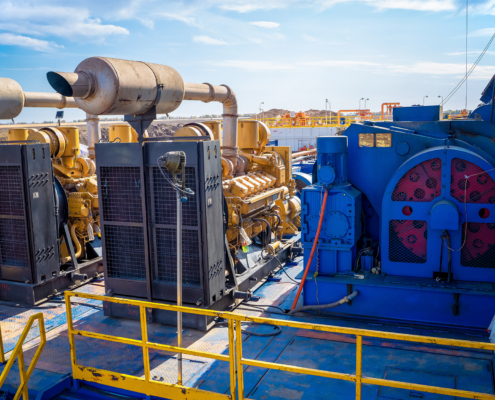
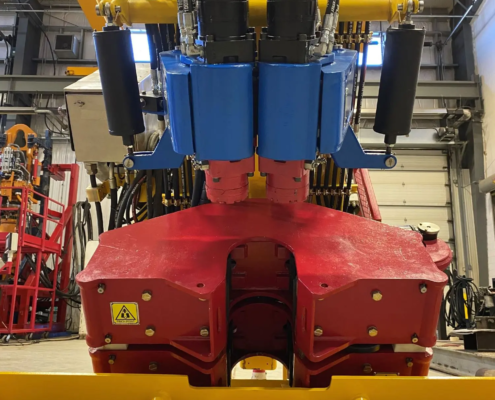
Hydraulic system failures are the most common cause of iron roughneck downtime. Seal degradation, actuator pressure loss, and fluid contamination account for a significant share of field-level service calls on both the NOV IR3080 and ST80 platforms. Iron roughneck hydraulic repair that addresses only the surface-level symptom without a full hydraulic assessment often returns a unit to service that fails again within the same campaign.
Iron roughneck service exists on a spectrum. At one end is a field-portable fix: a seal swap, a sensor replacement, or a fluid change completed at the rig without pulling the unit. At the other end is a full iron roughneck recertification involving complete disassembly, structural restoration, and APEGA-certified documentation. Iron roughneck repair sits in between: a shop teardown of the hydraulic system and affected mechanical assemblies, component-level inspection, rebuild, and functional testing before the unit returns to service.
Matching the unit to the right scope is how total service time gets controlled. A unit with a single isolated hydraulic failure is a repair candidate. A unit with system-wide degradation, torque head wear, and service history gaps is a recertification candidate. Sending the wrong unit through the wrong scope is one of the most avoidable sources of extended rig downtime.